Sunday, January 6, 2019

Recognize cancer as well as the symptoms and the cause

Understanding Cancer

Cancer is a disease that can attack all parts of the body. Your body regularly produces new cells for growth and to replace damaged or diseased. Normally, cells grow and develop in a way that remains. However, there is also uncontrolled growth, which then looks into lumps called tumors.
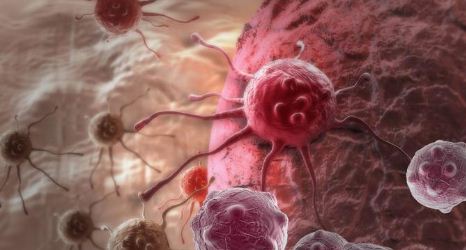


understanding-cancer


The tumor is composed of benign and malignant tumors. Benign tumors arise when there is an abnormal growth of cells which do not cross the line network, growing slowly, and webbed wrappers so easily operable and lifted.


Whereas a malignant tumor or cancer is the growth of abnormal cells that grow quickly, and growth of creep into other parts through the lymph vessels.


In cancer patients, the complications that often arises is an infection in people with advanced stages of cancer. This infection occurs due to a lack of protein and other nutrients, as well as suppression of the immune system that often occurs after conventional treatment.


Diagnosis

Cancer diagnosis will go through several stages. The doctor will perform a medical interview in detail, then a thorough physical examination that is tailored to the type of cancer is suspected. In addition, patients will also undergo the examination of supporting such a laboratory, radiological (CT scan, bone scan, MRI, x-ray), and biopsy.

This type of inspection is done depends greatly upon the type of cancer. After the diagnosis, the doctor will be enforced determine the diagnosis, staging, and treatment of cancer.


Symptoms of cancer

The signs of cancer depend heavily on the organ which contracted. However, generally give a cancer symptoms include the following:

  • There are bleeding or unusual discharge expenditures. Such as nosebleeds, constant discharge of fluid nipple contained blood, bloody fluid that pit copulations outside the menstrual cycles or menopause, found blood in the stool when defecating in the water, the blood, urine, to cough or vomiting containing blood.
  • Weight loss quickly due to the lack of fat and protein.
  • Lump in the breast.
  • Changes in moles or skin that is striking.
Specifically, based on the type of cancer has organs that attack. The symptoms that occur have the characteristic respectively, but did not close the possibility can also appears a combination of symptoms.

Brain Cancer

Headache, body feels weak, numb fingers on the arms and legs, change in memory, difficulty walking, abnormal changes in vision significantly, difficulty talking.

Oral Cancer

There are canker sores in the mouth, tongue and gums, which failed to heal

Cancer Of The Nasopharynx

Bleeding through the nose is light to heavy, or obstruction in the nose, ear, ear ringing pain, discomfort, complaints of the eye in the form of a double view, enlargement, or lump in the neck.

Cancer Of The Cervix

The most common symptom of cervical cancer is abnormal bleeding from the vagina, or there is a yellowish flecks dilute followed with a fishy odor in the vagina. Abnormal bleeding, especially occurs after sexual intercourse, but can also appear bleeding between menstrual cycles or after menopause. If the cancer has already spread to the pelvis, then the back pain may occur, followed by obstructions in the urinary and kidney enlargement.

Ovarian Cancer

Generally not obtained early symptom of this cancer, supposing there are usually vague. The symptoms of which are pain in the pelvis, bloating, fatigue, weight loss, constipation, and irregular menstrual bleeding. On physical examination, if obtained by the presence of a mass or lump in the pelvis is a sign that it needs to be suspected.

Breast Cancer

The presence of a lump, thickening of the skin, breast shape changes, itching, redness, pain that is not related to nursing or menstruating.

Cancer Of The Gastrointestinal Tract

The presence of blood in the dirt was marked with bright red or black color, bad taste persistent on the stomach, lump in the abdomen, pain after eating, weight loss.

Cervical Cancer

Bleeding during menstruation periods, menstrual blood while spending that is not as usual, and the pain is incredible.

Colon Cancer 

Bleeding in the intestines, there is blood in poop, bowel changes (constant diarrhea or difficult defecation).

Cancer of the bladder or Kidneys

There is blood in the water, urine, pain or burning upon urination, reasonable in frequency or difficulty urinating, pain in the bladder.

Prostate Cancer

Peeing is not smooth, constant pain in the waist and thighs, penis back up.
Blood Cancer (Leukemia)
Pale, chronic fatigue, weight loss, often subject to infection, easily hurt, pain, bones and joints, and nosebleeds.

Skin Cancer

The appearance of lumps on the skin that resembles warts (hardens like a horn), infections which failed to recover, the spots change color and size, pain in certain areas, discoloration of the skin in the form of patches.


Treatment

For patients with cancer, talking with family and friends can alleviate the perceived burden. So, please do not hesitate to shed the feeling to those that you love and trust.


Had cancer closely related to financial problems. It is very important to be discussed with the family and his doctor, openly and honestly. Discuss this issue, no need to force it to stand on its own.

Stay in a condition fit and active. Normal life as usual and always think positive. Try to get back to the original activity after chemotherapy, certainly after the talk with his superiors and the doctor.

Ultimately, chemotherapy is a joint effort. Family, relatives, co-workers and superiors, sorely need to support in the process. With the guided by a skilled doctor, usually the face of cancer patients, and anticancer drugs as well as about the master side effects, patients have the opportunity to live longer. However, the success is actually the responsibility of all those who surround them, especially the family.


Any cancer treatment depends on the type or types of cancer suffered, where the origin of the cancer or the pattern of its spread. Age, general health condition of the patient, as well as the system of medicine also influenced the process of cancer treatment. Treatment is generally given via:

  • Operation.
  • Chemotherapy with drugs.
  • Radiotherapy using beams of radiation.
  • Hormonal therapy for increased durability of the body.


In General, it is usually used more than one kind of way of treatment. For instance surgery followed by chemotherapy or radiotherapy, even often used in combination treatment (surgery, chemotherapy, and radiotherapy). After that, sometimes given hormonal therapy and biological according to your needs.

The main goal of the operation was raised overall cancer, because cancer can only be cured if it has not spread to other places. While chemotherapy and radiation aimed at killing cancer cells or stop the growth of cancer cells that are still lagging behind, or at least slow down the development of new cancer cells.

Thus, the cancer can be cured completely through treatment of chemotherapy and radiation. Or when the cancer is already in such information, at least the treatment can serve to reduce the symptoms.


Prevention 

Until now, the way the cancer prevention 100% really effective has not been found. Some of the ways that are estimated to be able to prevent cancer is to avoid trigger-trigger gene mutation, such as smoking, are too often affected by exposure to sunlight, certain viruses (one of which a virus Human papilloma virus, the cause of cancer cervix), chemical material causes of cancer, obesity,

The cause of the

Cancer can be caused by DNA in cells that often turn out to be benign tumors, and some eventually become malignant tumor or cancer. It is this change which caused the very rapid cell growth and uncontrolled.


In General, some of the reasons of occurrence of this can be divided into two, namely 1) due to mutations of the gene that has been there since birth derived from parent or due to impaired formation of genes before birth; and 2) gene mutation after birth that are caused by smoking, radiation, viruses, cancer-causing chemical materials, obesity, hormonal, resulting from inflammation in a prolonged period of time, etc.

Friday, January 4, 2019

The Healthiest Foods you'll be able to Get


Everyday Superfoods - EatingWell


What are the healthiest foods?

What should I eat everyday to be healthy?

What's the healthiest diet in the world?


The following may be a list of the healthiest foods that

You can get. this can assist you get an inspiration as 
What foods square measure the simplest for your body.


Fruits


Apricots


Apricots contain carotene, that helps too 
Prevent radical harm and additionally helps to shield
The eyes. one apricot contains seventeen calories, 
0 fat, and one gram of fiber. you'll be able to eat them
Dried or soft.


Mango


A medium sized mango packs fifty seven MG of antioxidant, 
Which is sort of your entire daily dose.  This
Antioxidant can facilitate stop inflammatory disease and additionally
Boost your system.  


Cantaloupe


Cantaloupes contain 117 GG of antioxidant, which is
Almost doubly the counseled dose. [*fr1] a melon
Contains 853 MG of metallic element, that is sort of 
Twice the maximum amount as a banana, that helps to lower
Blood pressure. [*fr1] a melon contains ninety seven calories, 
1 gram of fat, and a pair of grams of fiber.


Tomato 


A tomato will facilitate cut the chance of bladder, stomach,
And colon cancers in [*fr1] if you eat one daily. 
A tomato contains twenty six calories, 0 fat, and only
1 gram of fiber.


Vegetables


Onions


An onion will facilitate to shield against cancer.  A 
Cup of onions offers sixty one calories, 0 fat, and 3
Grams of fiber.


Broccoli


Broccoli will facilitate defend against carcinoma, 
And it additionally contains heaps of antioxidant and beta-
Carotene.  One cup of shredded broccoli contains
25 calories, 0 fat, and three grams of fiber.


Spinach


Spinach contains carotenoids which will facilitate fend
Off degeneration, that may be a major cause
Of visual disorder in older folks.  One cup contains 
7 calories, 0 fat, and one gram of fiber.


Grains, beans, and nuts


Peanuts


Peanuts and different insane will lower your risk of
Heart disease by twenty p.c.  One ounce contains
166 calories, fourteen grams of fat, and over a pair of grams of
Fiber.  


Pinto beans


A cut of horse beans offers over twenty five 
Percent of your daily vitamin B complex demand, which 
Protects you against heart condition.  Half a cup
Contains 103 calories, one gram of fat, and half-dozen grams
Of fiber.


Skim milk


Skim milk offers ovoflavin, that is very important for
Good vision and at the side of fat-soluble vitamin might improve
Allergies. you furthermore mght get metal and cholecarciferol as
Well.  One cup contains eighty six calories, no fat, and 0
Fiber.


Seafood


Salmon


All cold water fish like salmon, mackerel, and 
Tuna square measure wonderful sources of omega three fatty acids, 
Which helps to scale back the chance of internal organ sickness.
A three ounce portion of salmon contains 127 calories,
4 grams of fat, and zero fiber.


Crab


Crab may be a nice supply of vitamin B and immunity
Boosting Zn.  A three ounce serving of crab offers 
84 calories, one gram of fat, and zero fiber.

Friday, March 18, 2016

Side Effects of Chemotherapy

Chemotherapy treats many types of cancer effectively. But like other treatments, it often causes side effects. These are different for each person. They depend on the type of cancer, location, drugs and dose, and your general health.

Why does chemotherapy cause side effects?

Chemotherapy works on active cells. Active cells are cells that are growing and dividing into more of the same type of cell. Cancer cells are active, but so are some healthy cells. These include cells in your blood, mouth, digestive system, and hair follicles. Side effects happen when chemotherapy damages these healthy cells.

Can side effects be treated?

Yes. Your health care team can help you prevent or treat many side effects. Today, many more medications are available for side effects than in the past. Preventing and treating side effects is now an important part of cancer treatment. It is part of a type of care called palliative care.
Also, doctors and scientists work constantly to develop drugs, drug combinations, and ways of giving treatment with fewer side effects. Many types of chemotherapy are easier to tolerate than they were a few years ago.

Common side effects

Different drugs cause different side effects. Certain types of chemotherapy often have specific side effects. But, each person’s experience is different.
Tell your doctor about all the side effects you notice. For most types of chemotherapy, side effects do not show how well treatment is working. But they can for some types of drugs called targeted therapies. Learn more about targeted therapy.
Below is a list of common side effects of traditional chemotherapy.
Fatigue. Fatigue is feeling tired or exhausted almost all the time. It is the most common side effect of chemotherapy. Learn more about how to cope with fatigue.
Pain. Chemotherapy sometimes causes pain. This can include:
  • Headaches
  • Muscle pain
  • Stomach pain
  • Pain from nerve damage, such as burning, numbness, or shooting pains, usually in the fingers and toes
Pain usually gets less with time. However, some people have permanent nerve damage. This can cause symptoms for months or years after treatment.
Doctors can treat pain by:
  • Treating the source of the pain
  • Giving pain-relieving medications
  • Blocking pain signals from the nerves to the brain with spinal treatments or nerve blocks
Learn more about cancer pain and how to manage it.
Mouth and throat sores. Chemotherapy can damage the cells inside the mouth and throat. This causes painful sores in these areas, a condition called mucositis.
Mouth sores usually happen 5 to 14 days after a treatment. The sores can get infected. Eating a healthy diet and keeping your mouth and teeth clean can lower your risk of mouth sores. Mouth sores usually go away completely when treatment ends. Learn more about managing mucositis and oral health during cancer treatment.
Diarrhea. Some chemotherapy causes loose or watery bowel movements. Preventing diarrhea or treating it early helps keep you from getting dehydrated (losing too much body fluid). It also helps prevent other health problems. Learn more about managing diarrhea.
Nausea and vomiting. Chemotherapy can cause nausea (feeling sick to your stomach) and vomiting (throwing up). Whether you have these side effects, and how much, depends on the specific drugs and dose. The right medications given before and after each dose of chemotherapy can usually prevent nausea and vomiting. Learn more about nausea and vomiting. Read ASCO’s guideline for preventing these side effects.
Constipation. Chemotherapy can cause constipation. This means not having a bowel movement often enough or having difficult bowel movements. Other medications, such as pain medication, can also cause constipation. Drinking enough fluids, eating balanced meals, and getting enough exercise can lower your risk of constipation. Learn more about managing constipation.
Blood disorders. Your bone marrow is the spongy tissue inside your bones. It makes new blood cells. Chemotherapy affects this process, so you might have side effects from having too few blood cells.
Your health care team uses the following tests to check for blood disorders:
  • Complete blood count (CBC)– This test shows the levels of red blood cells (RBCs) and white blood cells (WBCs) in your blood.
    • Not enough RBCs causes a condition called anemia. Symptoms include fatigue, dizziness, and shortness of breath.
    •  Not enough WBCs causes a condition called leukopenia. This raises your risk of getting infections. Getting one when your WBCs are low can be serious. If you get an infection, you need antibiotics as soon as possible.
    • Platelet count – This test measures the number of platelets in your blood. Platelets are cells that stop bleeding. They do this by plugging damaged blood vessels and helping blood form clots.
      • Not having enough platelets causes a condition called thrombocytopenia. You can bleed and bruise more easily than normal.
Medications can treat all these blood disorders, and prevent leukopenia for patients with a high risk. The medications help your bone marrow make more blood cells. Learn more about managing anemia, infection, and thrombocytopenia.
Nervous system effects. Some drugs cause nerve damage. This can cause the following nerve or muscle symptoms:
  • Tingling
  • Burning
  • Weakness or numbness in the hands, feet, or both
  • Weak, sore, tired, or achy muscles
  • Loss of balance
  • Shaking or trembling
You might also have a stiff neck, headache, or problems seeing, hearing, or walking normally. You might feel clumsy. These symptoms usually get better with a lower chemotherapy dose or after treatment. But damage is sometimes permanent. Learn more about managing nervous system side effects.
Changes in thinking and memory. Some people have trouble thinking clearly and concentrating after chemotherapy. Cancer survivors often call this chemo brain. Your doctor might call it cognitive changes or cognitive dysfunction.
Sexual and reproductive issues. Chemotherapy can affect your fertility. For women, this is the ability to get pregnant and carry a pregnancy. For men, fertility is the ability to make a woman pregnant. Being tired or feeling sick from cancer or treatment can also affect your ability to enjoy sex. Talk with your doctor about these possible side effects before treatment starts. Learn more about managing sexual and reproductive side effects.
Chemotherapy can harm a fetus (unborn baby). This is especially true in the first 3 months of pregnancy, when the organs are still developing. If you could get pregnant during treatment, use effective birth control. If you do get pregnant, tell your doctor right away. Learn more about pregnancy and cancer.
Appetite loss. You might eat less than usual, not feel hungry at all, or feel full after eating a small amount. If this lasts through treatment, you may lose weight and not get the nutrition you need. You may also lose muscle mass and strength. All these things lower your ability to recover from chemotherapy. Learn more about managing appetite loss.
Hair loss. Some types of chemotherapy cause hair loss from all over your body. It may come out a little at a time or in large clumps. Hair loss usually starts after the first several weeks of chemotherapy. It tends to increase 1 to 2 months into treatment. Your doctor can predict the risk of hair loss based on the drugs and doses you are receiving. Learn more about managing hair loss.
Long-term side effects. Most side effects go away after treatment. But some continue, come back, or develop later. For example, some types of chemotherapy may cause permanent damage to the heart, lung, liver, kidneys, or reproductive system. And some people have trouble with thinking, concentrating, and memory for months or years after treatment.
Nervous system changes can develop after treatment. Children who had chemotherapy may develop side effects that happen months or years after treatment. These are called late effects. Cancer survivors also have a higher risk of second cancers later in life.

Care after cancer treatment is important

Getting care after treatment ends is important. Your health care team can help you treat long-term side effects and watch for late effects. This care is called follow-up care. Your follow-up care might include regular physical examinations, medical tests, or both.
ASCO has cancer treatment summary forms. The forms help you keep track of the cancer treatment you received and develop a survivorship plan after treatment.
Sources:
http://www.cancer.net/navigating-cancer-care/how-cancer-treated/chemotherapy/side-effects-chemotherapy

Types of Radiation Therapy for Mesothelioma Patients

Radiation therapy is the application of ionizing radiation to destroy tumor cells. When ionizing radiation moves through cells, the radiation strikes some of the molecules, changing them. These molecules become ions and free radicals, which are toxic to living cells. The cells in the treated area then break apart, die, or become dysfunctional. Ideally, the ionizing radiation is directed toward tumor cells rather than healthy cells.
During radiation therapy, a team of specialists including a radiation oncologist, medical physicists, and other healthcare providers will create a treatment plan and conduct radiation therapy. The team will carefully review x-rays, CT scans, and MRI studies to view the mesothelioma as it is situated next to healthy tissue. These radiological images will be used to make precise measurements, and the team will identify the best dose of radiation for the given patient.
Several issues are considered during radiation therapy. The medical professionals will attempt to avoid directing the beam at healthy tissues that surround the tumor, but will calculate a radiation dose that should be toxic to the entire diseased area. Since mesothelioma rarely forms a discrete tumor and grows near many sensitive areas (e.g., spinal cord, heart, esophagus, liver, and the opposite lung), every effort is made to direct the beam at the cancer cells and limit damage to healthy tissues. Specialized radiation delivery techniques have been developed to more precisely target mesothelioma cells.
Read more: How Does Radiation Therapy Work for Mesothelioma?

External Beam Radiation

The traditional method of radiation therapy for mesothelioma is external beam radiation therapy. In external beam radiation therapy, a radiation source outside the patient’s body is pointed at the tumor. Positioning of the radiation delivery device is critical. During the first treatment, a small tattooed dot (the size of a freckle) or semi-permanent ink dots may be applied to the skin to mark a location for the current and subsequent radiation treatments. A precise dose of radiation is delivered by a radiation beam to the tumor. Since the beam is outside of the body, healthy tissue such as skin, muscle, and bone may receive some radiation as well.
Because the positioning and radiation dose must be precise, the preparation for a radiation therapy treatment takes longer than the radiation exposure itself. The actual exposure to radiation takes a few minutes, but the positioning and preparation may take 20 minutes or more. The exposure to radiation is painless, much like having an X-ray or CT scan is painless. Standard external beam radiation therapy is administered five days a week over the course of several weeks.

3D-CRT

3D-CRT stands for three-dimensional conformal radiation therapy. 3D-CRT is a form of external radiation that matches the radiation beam to the shape of the tumor. In traditional external beam radiation therapy, treatment is provided based on a two-dimensional representation of the body. In 3D-CRT, specialized software is used to convert two-dimensional images into a three-dimensional representation of the body and the tumor. Therefore, the radiation treatment specialists can direct the radiation to the tumor in three-dimensional space. The result of this process is that more radiation is delivered to the tumor and less radiation is delivered to healthy tissue.
Like traditional external beam radiation, the 3D-CRT treatment is painless. Since targeting in 3D-CRT is more precise than in the traditional approach, higher doses of radiation can be used. Thus, the cancer-killing potential of the treatment is higher.

IMRT

IMRT stands for Intensity Modulated Radiation Therapy. Like 3D-CRT, IMRT delivers radiation precisely to areas with tumors while mostly sparing surrounding tissue. Unlike 3D-CRT, IMRT delivers different intensities of radiation to the tumor. For example, a high-intensity beam can be directed at areas of large, solid tumor mass while lower intensity energy can be directed at thinner or smaller collections of cancer cells. Because of this enhanced precision, very high doses of ionizing radiation can be used with IMRT.
IMRT may be more effective than external beam radiation therapy and may cause fewer side effects. When IMRT is compared to 3D-CRT, however, the differences in effectiveness are less impressive. IMRT is able to deliver higher amounts of radiation to the mesothelioma, but it still puts healthy organs at risk.
Recently, enhancements have been made to IMRT that may make it even safer. When IMRT is delivered with a technology called helical tomotherapy, high-dose radiation can be delivered more precisely to cancer cells and relatively little strikes healthy tissue. Just as computed tomography (CT) takes X-ray images in “slices,” helical tomotherapy delivers radiation therapy in horizontal “slices” of the body. The intensity of the beam changes with the size of the tumor in each slice. The result is an even higher level of precision than typical IMRT treatments.

Intraoperative Radiation

Intraoperative radiation is the application of ionizing radiation to tumor cells during the course of surgery. The theoretical advantage of intraoperative radiation is that the beam of radiation can be directed on the tumor itself rather than first traveling through healthy tissue. Another possible advantage of intraoperative radiation is the radiation will kill all mesothelioma cells within the chest cavity since, during surgery, the treating physician can see the tumor directly.
Unfortunately, intraoperative radiation has not shown much success. One research group deemed the treatment “prohibitively toxic” and reported serious complications when intraoperative radiation was combined with extrapleural pneumonectomy. It is not known whether intraoperative radiation is beneficial when combined with pleurectomy and decortication, however.

Benefits of Radiation Therapy

Your specific diagnosis will determine which type of radiation therapy will be most beneficial in terms of improving prognosis. It’s important that you refer to a mesothelioma specialist in order to determine if the benefits will outweigh the risks under your specific circumstances. If your doctor recommends radiation therapy as part of your mesothelioma treatment plan, it means they believe the benefits outweigh the possible side effects.
Sources:
1. Buduhan G, Menon S, Aye R, Louie B, Mehta V, Vallières E. Trimodality Therapy for Malignant Pleural Mesothelioma. Ann Thorac Surg. 2009.
2. Rosenzweig KE, Fox JL, Zelefsky MJ, Raben A, Harrison LB, Rusch VW. A pilot trial of high-dose-rate intraoperative radiation therapy for malignant pleural mesothelioma. Brachytherapy. 2005.
3. Lee TT, Everett DL, Shu HK, et al. Radical pleurectomy/decortication and intraoperative radiotherapy followed by conformal radiation with or without chemotherapy for malignant pleural mesothelioma. J Thorac Cardiovasc Surg. Dec 2002.
4. https://www.maacenter.org/treatment/radiation/types-of-radiation-therapy/

Side Effects of Radiation Treatment for Mesothelioma Patients

Radiation therapy uses beams of high-energy particles to reduce tumors. However, the biggest risk associated with radiation therapy is the potential for healthy tissues to get damaged, causing a number of side effects.
Treatment with external beam ionizing radiation may cause sunburn-like changes to the skin under the treatment beam. Patients also tend to lose hair over the treatment area. It is also quite common for people to experience fatigue after radiation therapy. These side effects may worsen or last longer if radiation therapy is combined with chemotherapy.
Other side effects of radiation vary depending on the location of the body receiving treatment. In other words, patients receiving radiation therapy to the chest may have different side effects than individuals who receive radiation therapy directed at the stomach or upper abdomen.

Side Effects of Pleural Mesothelioma Radiation Treatment

Below are side effects of radiation therapy directed to the chest that may occur in patients with pleural mesothelioma.
  • Fatigue
  • Hair loss
  • Skin changes
  • Cough
  • Shortness of breath
  • Throat changes and problems swallowing
  • Breast/nipple soreness
  • Radiation pneumonitis
  • Radiation fibrosis
  • Irregular heart beats
  • Heart valve damage
  • Premature hardening of the arteries (atherosclerosis)      

Side Effects of Peritoneal Mesothelioma Radiation Treatment

Peritoneal mesothelioma patients who receive radiation to the abdomen or stomach region may experience the following side effects.
  • Fatigue
  • Diarrhea
  • Nausea and vomiting
  • Hair loss
  • Skin changes
  • Bladder and urinary problems

Common Side Effects

Skin Problems

For most people receiving external beam radiation treatment, the changes to the skin of the treated area are similar to that of a moderate or severe sunburn. The affected area may become red, itchy, dry, or flake and peel much as it does after sunburn. If the skin cells in the treated area slough off and do not have time to grow back during treatments, the skin may become moist, swollen, inflamed, and even infected. Radiation therapy may cause the darkening discoloration of the skin in the treated area.
  • Redness
  • Irritation
  • Itchiness
  • Flaking or Peeling
  • Darkening
The radiation treatment team takes any skin changes seriously. Skin in the treated area will be thoroughly examined before each radiation treatment. Patients should voice any concerns they have to their treatment team.
It is always a good idea to protect the skin from excessive amounts of direct sunlight, but this is especially true during radiation therapy. Additional radiation from the sun can be avoided by keeping skin covered or by using sunscreen with an SPF of 30 or higher. Tanning beds should be avoided. Certain lotions and creams may help moisturize the skin, reduce peeling, and relieve itchiness and burning. The radiation therapy team should be notified of any creams, lotions, or anything else applied to the skin. These products should not be used immediately before radiation therapy unless approved by the radiation oncologist. If the skin becomes infected, rather than simply inflamed, antibiotic treatment is usually required. This may be a topical antibiotic placed directly on the skin. For cellulitis, a more serious skin infection, an oral or intravenous antibiotic may be needed.
The skin changes associated with radiation therapy may develop in the days to weeks after the first treatment session. Many of the skin changes will go away within the weeks following the last treatment; however, some changes may be permanent. Redness, itching, and swelling of the skin usually only lasts for a short time. Skin discoloration and dark blotchy areas may never go away. Because of the radiation received during treatment, this area of skin is at increased risk of developing skin cancer the rest of the patient’s life. Moreover, the treated area will be permanently more sensitive to the effects of the sun, such as sunburn.

Fatigue

Fatigue is a vague term that describes a number of different feelings such as weakness, tiredness, heaviness, slowness, and exhaustion. While fatigue is a common side effect of radiation therapy, the precise cause of fatigue may be different for different people. In fact, more than one cause of fatigue may be occurring at any given time. Moreover, most patients with mesothelioma receiving radiation therapy will not know their precise cause or causes of fatigue.
Fatigue that occurs during radiation therapy may be caused by:
  • Anemia
  • Depression
  • Infection
  • Chronic stress
  • Physical inactivity
  • Older age
  • Poor overall health
  • Sleep disturbances
  • Certain medications
If fatigue is caused by anemia (an abnormally low number of red blood cells), depression, infection, sleep disturbances, or medications, a specific treatment or change in treatments may help resolve the issue. For example, severe anemia can be treated with blood transfusions or drugs stimulate the production of red blood cells. Likewise, depression can be treated with a combination of medications and psychotherapy. People who experience fatigue should discuss the symptom with their oncologists.
There are other ways to manage and reduce feelings of fatigue during radiation therapy. Patients can plan work, responsibilities, personal tasks, and medical appointments such that they do not overexert themselves. Patients should strive to get at least 8-9 hours of sleep every night and supplement that sleep with 20 minute naps during the day, as needed. Excessive daytime sleeping should be avoided, however, because it may disrupt the patient’s natural sleep cycle and make it more difficult for them to get a solid eight hours of nighttime sleep. Patients who can tolerate exercise may find it helpful to exert themselves during the day so that they can build up a reserve through greater physical fitness. Moreover, people who physically exert themselves during the day are more likely to be ready for sleep at a normal hour at night, which can help with insomnia.
Some patients will no longer have feelings of fatigue as early as six weeks after the final radiation treatment area. That said, most people who undergo radiation therapy for malignant mesothelioma will have less energy than they did before treatment. While fatigue is common, it does not mean it is untreatable or unmanageable. Patients should talk to their physicians about possible solutions for fatigue as needed.

Nausea and Vomiting

Radiation therapy for peritoneal mesothelioma may cause nausea and vomiting. Patients may also experience dry heaving. These side effects may occur when the stomach and/or intestines receive radiation. Usually, nausea and vomiting will occur soon after a radiation treatment has ended and may last for several hours. Some people may experience nausea prior to a treatment, especially if they have apprehensions or fears about treatment. Nausea and vomiting may be worse for patients who are also being treated with chemotherapy.
Nausea is less likely to occur when patients eat frequent, small, relatively bland meals during the course of treatment. Likewise, patients should avoid foods that are spicy, densely sweet, or high in fat. Foods and beverages should be neither too hot nor too cold. Some people have less nausea if they eat a small meal before radiation treatment. Others find it is best to not have food in the three hours prior to radiation treatment. A list of foods that tend to be easy on the stomach are listed in Table 2.
Some patients find activities such as meditation, yoga, or acupuncture help relieve sensations of nausea and reduce vomiting. If nausea tends to occur prior to treatment, experts recommend patients pursue relaxing activities before therapy such as listening to relaxing music, reading light nonfiction, or meditating. Medicines are available that can reduce sensations of nausea, so patients are encouraged to speak with a medical professional about treatment options.

Bladder Irritation

If radiation is directed towards the bottom of the abdomen near the urinary bladder, as may be done in the treatment of peritoneal mesothelioma, it may cause bladder irritation and urinary problems. Bladder irritation may manifest itself in many ways, including:
  • Difficulty urinating, such as starting to urinate
  • Not being able to fully empty the bladder
  • A frequent need to urinate
  • Urgently needing to urinate
  • Burning or pain during urination
  • Incontinence, especially stress incontinence, which is unintended urination after a cough or sneeze
  • Painful bladder cramps
  • Blood in the urine
  • Frequently waking at night to urinate
Most patients who experience bladder irritation from radiation therapy first notice problems within a month of beginning therapy. For most people, these bladder issues will end on their own within two months after radiation therapy is finished. While patients can take comfort from the knowledge that bladder irritation is temporary, there are measures that can be taken to avoid or reduce this complication.
Patients should avoid caffeinated beverages such as black tea, coffee, and soda because these beverages tend to increase the frequency of urination. Alcohol has the same effect on urination, and should also be avoided. On the other hand, experts recommend patients undergoing radiation therapy drink sufficient amounts—at least 6 cups per day—of non-caffeinated beverages such as water, sports drinks, and juices (especially cranberry juice). While patients may need to urinate more frequently because of increased fluid intake, the bladder is less likely to become irritated or infected during treatment.
If bladder irritation or incontinence becomes unmanageable, patients should ask their doctor about specific treatments. Physical therapists can teach patients pelvic muscle exercises and relaxation techniques that can improve incontinence. If the bladder becomes infected, antibiotics will be prescribed to treat the infection. Since the symptoms of a bladder infection and bladder irritation from radiation therapy are the same, namely pain on urination, increased frequency of urination, and an increased need to urinate, it is important patients talk to their doctor about the symptoms so that an accurate diagnosis can be made.

Factors That Impact A Patient’s Risk of Experiencing Side Effects

Whether or not a patient experiences side effects depends on a variety of factors, including:
  • Overall Health
  • Dose of radiation, daily and total
  • Location of treatment on the body
  • Genetics
  • Other treatments such as chemotherapy
Sources:
1. Rice DC, Stevens CW, Correa AM, et al. Outcomes after extrapleural pneumonectomy and intensity-modulated radiation therapy for malignant pleural mesothelioma. Ann Thorac Surg. Nov 2007
2. Buduhan G, Menon S, Aye R, Louie B, Mehta V, Vallières E. Trimodality Therapy for Malignant Pleural Mesothelioma. Ann Thorac Surg.
3. Krayenbuehl J, Dimmerling P, Ciernik IF, Riesterer O. Clinical outcome of postoperative highly conformal versus 3D conformal radiotherapy in patients with malignant pleural mesothelioma. Radiat Oncol. 2014.
4. Krayenbuehl J, Oertel S, Davis JB, Ciernik IF. Combined photon and electron three-dimensional conformal versus intensity-modulated radiotherapy with integrated boost for adjuvant treatment of malignant pleural mesothelioma after pleuropneumonectomy. Int J Radiat Oncol Biol Phys. Dec 1 2007.
5. Rosenzweig KE, Fox JL, Zelefsky MJ, Raben A, Harrison LB, Rusch VW. A pilot trial of high-dose-rate intraoperative radiation therapy for malignant pleural mesothelioma. Brachytherapy. 2005.
6. Lee TT, Everett DL, Shu HK, et al. Radical pleurectomy/decortication and intraoperative radiotherapy followed by conformal radiation with or without chemotherapy for malignant pleural mesothelioma. J Thorac Cardiovasc Surg. Dec 2002.
7. https://www.maacenter.org/treatment/radiation/side-effects-of-radiation/